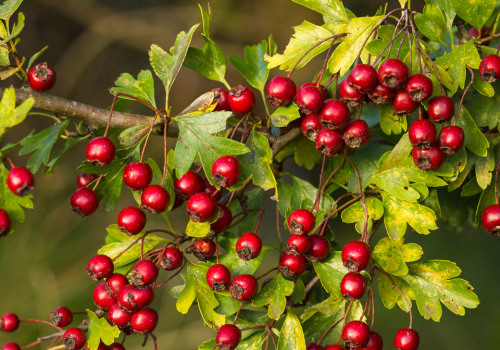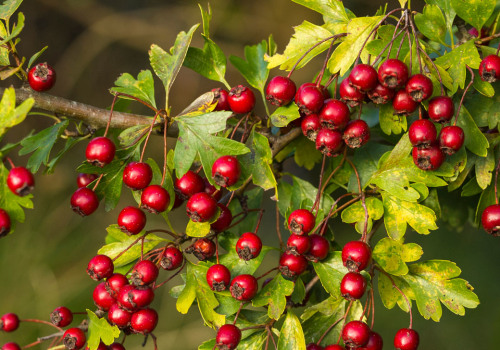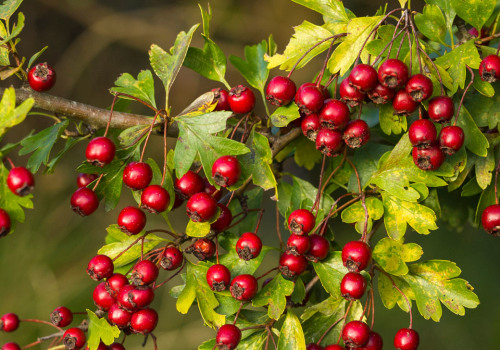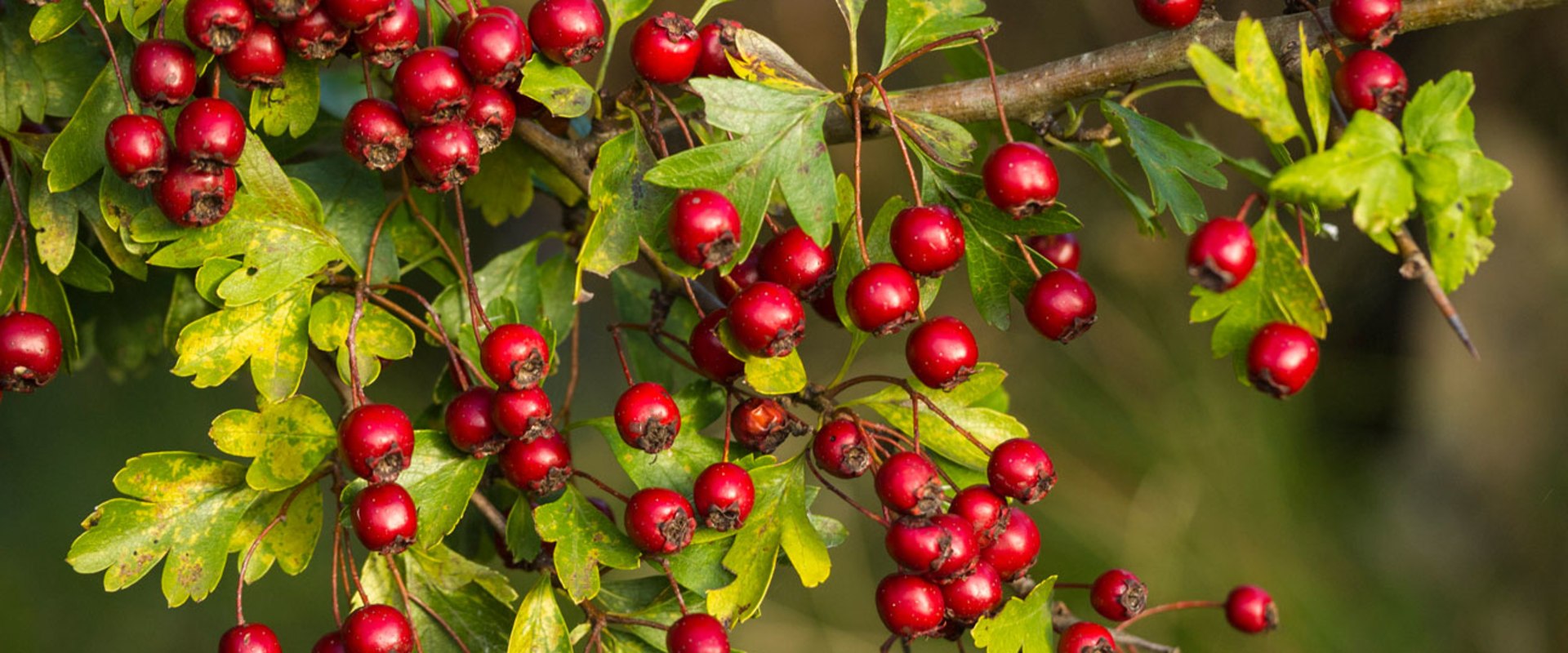
The hawthorn berry , derived from the Crataegus plant, has been a cornerstone of traditional herbal medicine for centuries. Known for its vibrant red color and small size, this berry has been utilized across various cultures, particularly in Europe and Asia, for its remarkable health benefits. Historically, hawthorn has been revered not only for its culinary uses but also for its potential to support cardiovascular health, making it a popular choice among herbalists and natural health enthusiasts. One of the most significant hawthorn berry benefits lies in its ability to promote heart health. Research suggests that hawthorn may help improve blood circulation, reduce blood pressure, and enhance overall cardiac function.
The berries are rich in antioxidants, particularly flavonoids and procyanidins, which are believed to protect the heart by combating oxidative stress and inflammation. These compounds may also assist in dilating blood vessels, thereby improving blood flow and reducing the risk of heart-related issues. In addition to its cardiovascular advantages, hawthorn berry is often praised for its potential to alleviate symptoms of anxiety and stress. Some studies indicate that it may have a calming effect on the nervous system, making it beneficial for those dealing with emotional distress or mild anxiety. Furthermore, hawthorn is thought to support digestive health by promoting better digestion and alleviating gastrointestinal discomfort. As we delve deeper into the topic of hawthorn berry, it is essential to recognize not only its numerous benefits but also the populations that should exercise caution when considering its use.
Understanding who should avoid this powerful herb is crucial for ensuring safety and maximizing health outcomes.
Who Should Avoid Hawthorn Berry?
While hawthorn berry is celebrated for its numerous health benefits, particularly in supporting heart health, it is crucial to recognize that certain individuals should refrain from using this herbal remedy. Understanding the specific groups that may be at risk can help prevent potential adverse effects and ensure safe usage.Pregnant Women
One of the primary groups advised against using hawthorn berry is pregnant women. The lack of comprehensive research on the safety of hawthorn during pregnancy raises significant concerns. Some studies suggest that hawthorn may stimulate uterine contractions, which could pose risks to both the mother and the developing fetus.
Therefore, it is best for pregnant women to avoid this herbal supplement altogether.
Breastfeeding Mothers
Similar to pregnant women, those who are breastfeeding should also exercise caution. Although there is no definitive evidence indicating that hawthorn is harmful during lactation, the absence of research on its effects means that it is not recommended. The potential for unknown side effects on nursing infants necessitates a conservative approach.
Children
Hawthorn berry is not recommended for children due to the lack of studies confirming its safety and efficacy in younger populations. The physiological differences between children and adults can lead to varying responses to herbal supplements, making it essential to prioritize their safety.
Individuals with Heart Conditions
Those with existing heart conditions or those taking medications for heart-related issues should consult their healthcare provider before using hawthorn.
This herb can interact with various heart medications, potentially leading to complications such as dangerously low blood pressure or altered heart rhythms.
People with Allergies
If you have a known hypersensitivity to any products derived from Crataegus, the botanical name for hawthorn, it is imperative to avoid this herb. Allergic reactions can range from mild symptoms like skin rashes to severe reactions requiring immediate medical attention.
Those Taking Other Medications
Individuals on medications for conditions such as erectile dysfunction or those taking anticoagulants should also be cautious. Hawthorn may enhance the effects of these medications, leading to adverse reactions. Always discuss any herbal supplements with your healthcare provider to ensure they do not interfere with your current treatment plan.
In summary, while hawthorn berry offers various health benefits, it is essential for certain groups—such as pregnant women, breastfeeding mothers, children, individuals with specific medical conditions, and those taking particular medications—to avoid its use unless under professional guidance.
Prioritizing safety and consulting with a healthcare provider can help mitigate risks associated with this herbal remedy.
Pregnant and Breastfeeding Women: Risks and Recommendations
When it comes to the use of hawthorn berry during pregnancy and breastfeeding, caution is paramount. The potential benefits of hawthorn for heart health are well-documented; however, the safety of this herbal remedy for pregnant and nursing women remains largely unstudied. This lack of research raises significant concerns about its use in these sensitive populations. Pregnant women should be particularly wary of using hawthorn berry due to its possible effects on the uterus. Some studies suggest that hawthorn may stimulate uterine contractions, which could pose risks during pregnancy.Given that the safety profile of hawthorn has not been established for expectant mothers, it is advisable to avoid its use altogether. For women who are breastfeeding, the situation is similarly unclear. While there is no definitive evidence indicating that hawthorn is harmful during lactation, the absence of research means that potential risks cannot be ruled out. The compounds found in hawthorn, such as flavonoids and procyanidins, may pass into breast milk, and their effects on a nursing infant are unknown. Healthcare providers often recommend that pregnant and breastfeeding women prioritize their health and the health of their child by avoiding unverified supplements like hawthorn. Instead, they should focus on a balanced diet rich in essential nutrients and consult with their healthcare provider for safe alternatives to support heart health. In summary, while hawthorn berry offers various health benefits, its use during pregnancy and breastfeeding is not recommended due to potential risks and the lack of safety data.
Women in these categories should always consult with their healthcare provider before considering any herbal supplements.
Children and Hawthorn Berry: Is It Safe?
When considering the use of hawthorn berry for children, it is crucial to approach the topic with caution. Despite its long history of use in traditional medicine, there is a significant lack of research specifically addressing the safety and efficacy of hawthorn for young individuals. This absence of evidence raises important questions about whether hawthorn is a suitable herbal remedy for children. Currently, there are no established guidelines or studies that support the use of hawthorn berry in pediatric populations. The potential benefits that hawthorn may offer to adults, particularly in terms of heart health, do not necessarily translate to children.In fact, the physiological differences between children and adults can lead to varying responses to herbal supplements. Therefore, without adequate research, it is prudent to err on the side of caution. Moreover, children are often more sensitive to herbal remedies due to their developing bodies and immune systems. The effects of hawthorn on a child's health are not well understood, and there is a risk that it could cause adverse reactions or interfere with other medications that a child may be taking. For parents seeking herbal remedies for children , it is essential to consider alternatives that have been studied and deemed safe for younger populations. Some commonly used herbs that have shown promise in supporting children's health include:
- Chamomile: Known for its calming effects, chamomile can help with sleep issues and digestive discomfort.
- Echinacea: Often used to boost the immune system, echinacea may help reduce the duration and severity of colds.
- Ginger: This herb can aid digestion and alleviate nausea, making it a popular choice for upset stomachs.
- Lemon balm: Known for its soothing properties, lemon balm can help reduce anxiety and promote relaxation.
Parents should prioritize proven remedies and consult healthcare professionals before introducing any new herbal supplements into their child's routine. This approach ensures that children's health is safeguarded while exploring natural options for wellness.
Interactions with Heart Medications: A Cautionary Tale
Hawthorn berry, known for its potential benefits in supporting heart health, can also pose risks when combined with certain heart medications. Understanding these interactions is crucial for anyone considering adding hawthorn to their health regimen, especially those already on prescribed treatments. One of the primary concerns with hawthorn is its ability to enhance the effects of medications that lower blood pressure. This includes common antihypertensives such as ACE inhibitors, beta-blockers, and calcium channel blockers.When taken together, hawthorn may lead to an excessive drop in blood pressure, resulting in symptoms like dizziness, fainting, or even more severe complications. Additionally, hawthorn can interact with medications used to manage heart rhythm disorders. For instance, it may affect the efficacy of digoxin, a medication often prescribed for heart failure and atrial fibrillation. Hawthorn has been shown to potentially alter serum digoxin levels, which could lead to either toxicity or reduced effectiveness of the medication. Therefore, individuals taking digoxin should consult their healthcare provider before using hawthorn. Moreover, those on anticoagulants or antiplatelet drugs should exercise caution as well.
Hawthorn may have mild blood-thinning properties, which could amplify the effects of these medications and increase the risk of bleeding. It is essential for patients on such therapies to discuss any herbal supplements with their doctor to avoid unintended interactions. In summary, while hawthorn berry offers numerous benefits for heart health, it is vital to approach its use with caution if you are taking heart medications. Always consult your healthcare provider before introducing hawthorn into your routine. They can provide personalized advice based on your specific health needs and medication regimen, ensuring that you can safely enjoy the potential advantages of this herbal remedy without compromising your health.
Allergic Reactions: Understanding Hypersensitivity to Hawthorn
When considering the use of hawthorn berry as a natural remedy, it is crucial to be aware of the potential for allergic reactions.Hypersensitivity to hawthorn can manifest in various ways, and understanding these reactions is essential for anyone contemplating its use.
What is Hypersensitivity?
Hypersensitivity refers to an exaggerated immune response to a substance that is typically harmless to most individuals. In the case of hawthorn, this can lead to allergic reactions that may range from mild to severe. Symptoms can include:
- Skin reactions: These may present as rashes, hives, or itching.
- Respiratory issues: Some individuals may experience difficulty breathing, wheezing, or nasal congestion.
- Gastrointestinal symptoms: Nausea, vomiting, or diarrhea can occur in response to ingestion.
- Anaphylaxis: In rare cases, a severe allergic reaction can lead to anaphylaxis, a life-threatening condition requiring immediate medical attention.
Who is at Risk?
Certain populations may be more susceptible to developing hypersensitivity to hawthorn. These include:
- Individuals with a history of allergies: Those who have previously experienced allergic reactions to other herbal supplements or plants may be at a higher risk.
- People with existing health conditions: Individuals with autoimmune disorders or compromised immune systems should exercise caution when using hawthorn.
- Pregnant and breastfeeding women: While research on hawthorn's safety during these periods is limited, it is advisable for these groups to avoid it due to potential unknown risks.
They can provide guidance on alternative treatments and help manage any symptoms you may experience. In conclusion, while hawthorn berry offers numerous health benefits, awareness of potential allergic reactions is vital. Understanding your own health history and consulting with a healthcare provider can help mitigate risks associated with hypersensitivity.
Potential Side Effects of Hawthorn Berry Use
While hawthorn berry is widely recognized for its potential benefits in supporting heart health, it is essential to be aware of the possible side effects that may arise from its use. Understanding these adverse effects can help individuals make informed decisions about incorporating this herbal remedy into their health regimen. One of the most commonly reported side effects of hawthorn berry is gastrointestinal discomfort. Some users may experience symptoms such as:- Nausea
- Diarrhea
- Stomach cramps
However, if they persist or worsen, it is advisable to discontinue use and consult a healthcare professional. Another potential side effect is dizziness or lightheadedness, particularly in individuals who are sensitive to changes in blood pressure. Hawthorn has been noted for its ability to lower blood pressure, which can lead to:
- Feeling faint upon standing up
- Increased risk of falls in older adults
Symptoms of an allergic reaction may include:
- Rash
- Itching
- Swelling of the face or throat
Consulting Your Healthcare Provider: Best Practices Before Use
Before incorporating hawthorn berry or any herbal supplement into your health regimen, it is crucial to consult with your healthcare provider. This step is essential for ensuring your safety and maximizing the potential benefits of the supplement.Here are some best practices to follow when discussing herbal remedies with your doctor:
- Be Open and Honest: Share your complete health history, including any existing medical conditions, medications you are currently taking, and any allergies you may have. This information will help your healthcare provider assess the safety of hawthorn berry in your specific case.
- Discuss Your Goals: Clearly articulate why you are interested in using hawthorn berry. Whether it’s for heart health, blood pressure management, or another reason, understanding your goals will help your provider give tailored advice.
- Ask About Interactions: Inquire about potential interactions between hawthorn berry and any medications or supplements you are currently using. Some herbs can affect how medications work, leading to either increased side effects or reduced effectiveness.
- Inquire About Dosage: Ask your healthcare provider about the appropriate dosage of hawthorn berry for your needs.
They can provide guidance based on current research and your individual health profile.
- Monitor Your Health: If you and your healthcare provider decide that hawthorn berry is appropriate for you, establish a plan for monitoring its effects. Regular check-ins can help identify any adverse reactions or changes in your health status.
Your healthcare provider may also recommend reputable brands or specific formulations that have demonstrated efficacy. In summary, consulting with your healthcare provider before starting hawthorn berry or any herbal supplement is a vital step in ensuring safe and effective use. By following these best practices, you can make informed decisions about incorporating herbal remedies into your health routine.
<strong>Conclusion</strong>: Weighing the Benefits Against Risks
In summary, hawthorn berry has been recognized for its potential benefits, particularly in supporting heart health. Its rich composition of antioxidants, flavonoids, and procyanidins contributes to its reputation as a natural remedy for various cardiovascular conditions. However, as with any herbal supplement, it is crucial to weigh the risks versus benefits of hawthorn before incorporating it into your health regimen. While many individuals may find hawthorn beneficial, certain populations should exercise caution or avoid its use altogether.Children , pregnant women , and those who are breastfeeding are advised against using hawthorn due to the lack of comprehensive research on its safety in these groups. Additionally, individuals taking specific heart medications or those with known allergies to hawthorn should consult their healthcare provider before considering this supplement. The potential interactions between hawthorn and other medications can lead to adverse effects, particularly concerning blood pressure and heart function. For instance, combining hawthorn with medications for male sexual dysfunction may result in dangerously low blood pressure. Therefore, it is essential to discuss any plans to use hawthorn with a healthcare professional. In conclusion, while the benefits of hawthorn berry are significant for many individuals seeking natural support for heart health, it is imperative to approach its use with caution.
Understanding who should avoid hawthorn is just as important as recognizing its advantages. Always prioritize safety by consulting with a healthcare provider and monitoring for any potential side effects if you choose to incorporate this herbal remedy into your routine. Ultimately, the decision to use hawthorn should be informed by both its potential benefits and the specific health circumstances of the individual. By doing so, you can make a well-rounded choice that aligns with your health goals.