Cardiovascular diseases (CVD) encompass a range of conditions affecting the heart and blood vessels, including coronary artery disease, heart attacks, strokes, and hypertension. These diseases are among the leading causes of death globally, accounting for millions of fatalities each year. The prevalence of CVD is alarming, with risk factors such as poor diet, lack of physical activity, smoking, and genetic predisposition contributing to its rise. Understanding the intricacies of these diseases is crucial for developing effective prevention and treatment strategies. Heart health is not merely a personal concern; it is a public health issue that demands attention.
The World Health Organization (WHO) estimates that cardiovascular diseases claim approximately 17.9 million lives annually, representing 32% of all global deaths. This staggering statistic highlights the urgent need for awareness and proactive measures to combat heart-related ailments. Maintaining a healthy heart involves a multifaceted approach that includes regular exercise, balanced nutrition, and stress management. As we delve deeper into the topic of cardiovascular health, it becomes evident that lifestyle choices play a pivotal role in either mitigating or exacerbating the risks associated with CVD. Moreover, emerging research suggests that natural remedies, such as hawthorn extracts, may offer significant benefits in both prevention and treatment of these conditions.
By exploring the potential of hawthorn berry benefits, we can uncover valuable insights into how this remarkable plant can contribute to heart health and overall well-being.
What is Hawthorn and Its Historical Use?
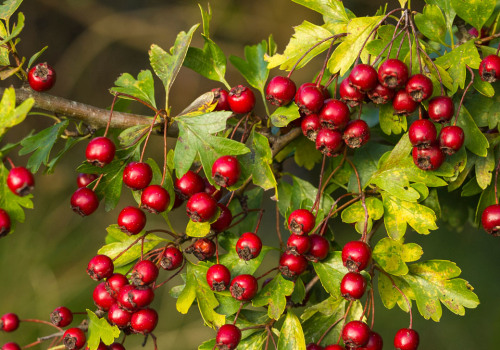
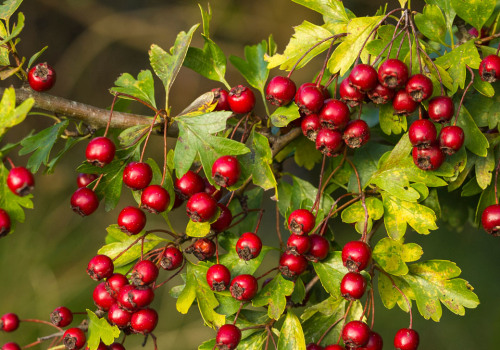
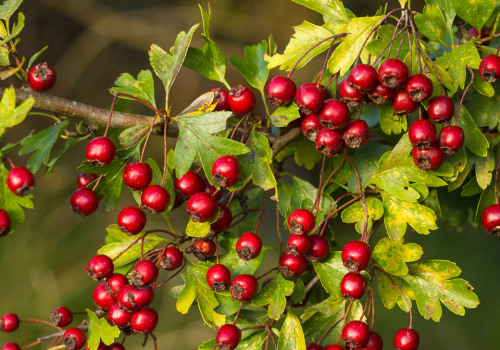
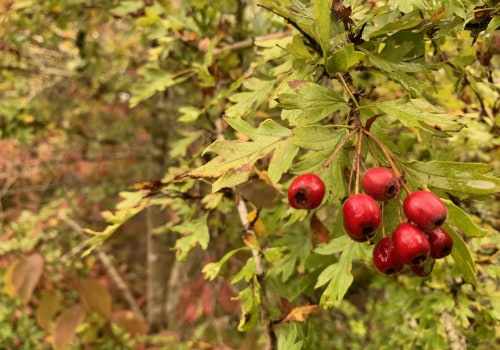
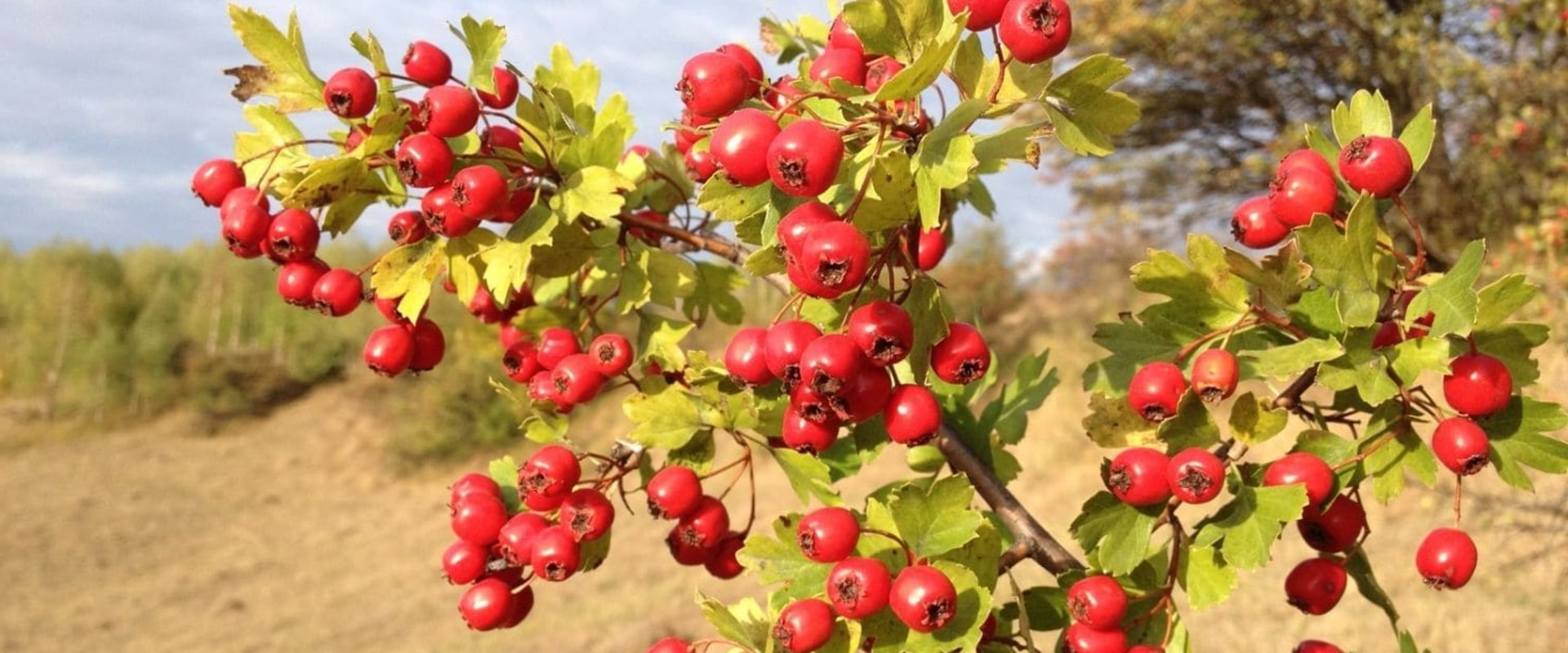
Hawthorn, scientifically known as Crataegus, is a genus of shrubs and small trees belonging to the rose family, Rosaceae. This remarkable plant has a rich history that dates back thousands of years, with its origins traced to Europe, Asia, and North America. The use of hawthorn in traditional medicine can be seen as early as the ancient Greeks and Romans, who recognized its potential benefits for heart health. In ancient times, hawthorn was often associated with love and protection. The Greeks believed that the plant could ward off evil spirits, while the Romans used it in wedding ceremonies to symbolize hope and happiness.Its berries, leaves, and flowers were utilized not only for their aesthetic appeal but also for their medicinal properties. Throughout history, hawthorn has been employed in various cultures for its therapeutic effects. Traditional Chinese medicine has long valued hawthorn for its ability to improve digestion and promote cardiovascular health. The berries were often made into teas or tinctures to support heart function and alleviate symptoms of heart disease. In Europe, herbalists in the Middle Ages began to recognize the hawthorn berry benefits for treating ailments related to the heart. It was commonly used to strengthen the heart muscle, improve circulation, and reduce symptoms of angina.
The leaves and flowers were also brewed into infusions that were believed to calm anxiety and promote relaxation. Modern research has validated many of these traditional uses. Studies have shown that hawthorn extracts can enhance cardiac function by improving blood flow and reducing blood pressure. The active compounds found in hawthorn, such as flavonoids and oligomeric proanthocyanidins, are thought to contribute significantly to its cardiovascular protective effects. Today, hawthorn is widely available in various forms, including capsules, tinctures, and teas. Its historical significance as a natural remedy continues to be recognized in contemporary herbal medicine, making it a valuable addition to any regimen aimed at supporting heart health.
Nutritional Profile of Hawthorn Berries
Hawthorn berries, scientifically known as Crataegus, are not only celebrated for their medicinal properties but also for their impressive nutritional profile.These small, red fruits are packed with a variety of vitamins, minerals, and antioxidants that contribute significantly to their health benefits, particularly in supporting cardiovascular health.
Vitamins in Hawthorn Berries
- Vitamin C: One of the most notable vitamins found in hawthorn berries is vitamin C, a powerful antioxidant that helps protect the body from oxidative stress. This vitamin is essential for collagen production, immune function, and enhancing the absorption of iron from plant-based foods.
- Vitamin B Complex: Hawthorn berries also contain several B vitamins, including B1 (thiamine), B2 (riboflavin), and B3 (niacin). These vitamins play crucial roles in energy metabolism, brain function, and maintaining healthy skin.
- Vitamin A: Present in smaller amounts, vitamin A is vital for maintaining healthy vision, skin health, and immune function.
Minerals Found in Hawthorn Berries
- Potassium: This mineral is essential for heart health as it helps regulate blood pressure and fluid balance in the body. Adequate potassium intake can reduce the risk of stroke and other cardiovascular diseases.
- Magnesium: Magnesium plays a key role in over 300 biochemical reactions in the body, including muscle and nerve function, blood glucose control, and blood pressure regulation.
- Calcium: While present in smaller quantities, calcium is crucial for bone health and plays a role in vascular contraction and dilation.
Antioxidants and Phytochemicals
Hawthorn berries are rich in antioxidants such as flavonoids and oligomeric proanthocyanidins (OPCs).
These compounds help combat oxidative stress by neutralizing free radicals in the body. The presence of these antioxidants contributes to the anti-inflammatory properties of hawthorn berries, making them beneficial for heart health by reducing inflammation within blood vessels. The unique composition of hawthorn berries not only supports cardiovascular health but also enhances overall well-being. Incorporating these nutrient-dense berries into your diet can provide a natural boost to your health while harnessing their numerous benefits.
Mechanisms of Action: How Hawthorn Extracts Benefit Heart Health
Hawthorn extracts have garnered significant attention in the realm of cardiovascular health due to their multifaceted mechanisms of action. Understanding how these extracts work is crucial for appreciating their potential benefits in preventing and managing cardiovascular diseases. One of the primary ways hawthorn extracts exert their protective effects is through the reduction of oxidative stress.Oxidative stress occurs when there is an imbalance between free radicals and antioxidants in the body, leading to cellular damage. Hawthorn is rich in antioxidants, such as flavonoids and phenolic acids, which help neutralize free radicals. This antioxidant activity not only protects heart cells from damage but also contributes to overall vascular health. In addition to combating oxidative stress, hawthorn extracts play a significant role in reducing inflammation. Chronic inflammation is a key contributor to the development of atherosclerosis and other cardiovascular conditions.
The anti-inflammatory properties of hawthorn are attributed to its ability to inhibit pro-inflammatory cytokines and enzymes, thereby reducing the inflammatory response within blood vessels. This action helps maintain endothelial function, which is vital for healthy blood circulation. Moreover, hawthorn extracts have been shown to improve lipid profiles. They can lower levels of total cholesterol and triglycerides while increasing high-density lipoprotein (HDL) cholesterol, often referred to as "good" cholesterol. By modulating lipid levels, hawthorn helps prevent the accumulation of fatty deposits in arteries, thereby reducing the risk of plaque formation and subsequent cardiovascular events. Another critical mechanism involves the regulation of vascular tone.
Hawthorn extracts promote vasodilation, which is the widening of blood vessels. This effect is primarily mediated by the enhancement of nitric oxide production, a molecule that relaxes smooth muscle cells in blood vessel walls. Improved vasodilation leads to better blood flow and reduced blood pressure, further supporting heart health. Finally, hawthorn has been found to exhibit anti-thrombotic properties. By inhibiting platelet aggregation, hawthorn reduces the risk of clot formation within blood vessels.
This action is particularly beneficial for individuals at risk of heart attacks or strokes, as it helps maintain unobstructed blood flow. In summary, the mechanisms by which hawthorn extracts benefit heart health are diverse and impactful. From reducing oxidative stress and inflammation to improving lipid profiles and promoting vascular relaxation, these extracts offer a comprehensive approach to cardiovascular protection.
Clinical Evidence Supporting Hawthorn Extracts for Cardiovascular Health
Numerous clinical studies have investigated the benefits of hawthorn extracts in managing cardiovascular health, providing compelling evidence for its efficacy in treating various heart conditions. These studies highlight the potential of hawthorn to improve heart function, reduce symptoms of heart disease, and enhance overall cardiovascular health. One notable study published in the American Journal of Medicine examined the effects of hawthorn extract on patients with chronic heart failure. The randomized controlled trial involved over 100 participants who received either hawthorn extract or a placebo for a duration of 8 weeks.Results indicated that those taking hawthorn experienced significant improvements in exercise tolerance and quality of life, alongside a reduction in symptoms such as fatigue and shortness of breath. Another important piece of research published in The European Journal of Heart Failure focused on the impact of hawthorn on patients with mild to moderate heart failure. This study found that hawthorn extract not only improved left ventricular function but also reduced the levels of certain biomarkers associated with heart failure. Participants reported enhanced physical performance and a decrease in the frequency of heart-related symptoms. In addition to these findings, a meta-analysis conducted by researchers at a leading university reviewed multiple studies on hawthorn's effects on cardiovascular health. The analysis concluded that hawthorn significantly lowers blood pressure and cholesterol levels, making it a valuable adjunct therapy for individuals at risk of cardiovascular diseases. Furthermore, a clinical trial assessing the long-term effects of hawthorn extract on patients with coronary artery disease demonstrated that regular consumption led to improved endothelial function and reduced arterial stiffness.
These findings suggest that hawthorn may play a crucial role in preventing the progression of atherosclerosis. Overall, the clinical evidence supporting the use of hawthorn extracts for cardiovascular health is robust. With its ability to enhance heart function, alleviate symptoms, and improve overall well-being, hawthorn stands out as a promising natural remedy for those seeking to support their cardiovascular system.
Hawthorn Extracts and Atherosclerosis: A Closer Look
Atherosclerosis, a condition characterized by the buildup of plaques in the arteries, poses a significant risk for cardiovascular diseases. The role of hawthorn extracts in both preventing and treating this condition has garnered attention due to their unique properties that promote vascular health. One of the primary mechanisms through which hawthorn extracts exert their effects is by stabilizing existing plaques. Research indicates that the flavonoids and other active compounds found in hawthorn can help reduce inflammation within the arterial walls, which is crucial for preventing plaque rupture.When plaques become unstable, they can lead to serious cardiovascular events such as heart attacks or strokes. By promoting plaque stability, hawthorn extracts may significantly lower these risks. Additionally, hawthorn extracts are known to improve endothelial function. The endothelium is a thin layer of cells lining the blood vessels, and its health is vital for maintaining proper vascular function. Hawthorn has been shown to enhance endothelial relaxation, which helps regulate blood flow and pressure.
This effect is particularly beneficial for individuals suffering from atherosclerosis, as improved endothelial function can lead to better overall vascular health. Moreover, hawthorn extracts may assist in preventing further plaque buildup by regulating lipid levels in the bloodstream. High levels of low-density lipoprotein (LDL) cholesterol are a significant contributor to atherosclerosis. Studies have demonstrated that hawthorn can lower LDL cholesterol and triglyceride levels, thereby reducing the likelihood of new plaque formation. Incorporating hawthorn into a daily regimen may also provide antioxidant benefits that combat oxidative stress—a key factor in the progression of atherosclerosis. The antioxidants present in hawthorn extracts help neutralize free radicals, which can damage blood vessels and contribute to plaque development. In summary, hawthorn extracts offer a multifaceted approach to managing atherosclerosis through plaque stabilization, improved endothelial function, and lipid regulation.
As research continues to unveil the full potential of this natural remedy, it stands out as a promising adjunct therapy for those looking to enhance their vascular health.
Potential Side Effects and Interactions of Hawthorn Extracts
While hawthorn extract is widely recognized for its cardiovascular benefits, it is essential to consider potential side effects and interactions with other medications. Understanding these aspects can help ensure safe and effective use. is widely recognized for its cardiovascular benefits, it is essential to consider potential side effects and interactions with other medications. Understanding these aspects can help ensure safe and effective use.Potential Side Effects of Hawthorn Extract
- Gastrointestinal Issues: Some individuals may experience mild gastrointestinal discomfort, including nausea, diarrhea, or stomach upset. These symptoms are generally transient and may subside with continued use.
- Dizziness: Hawthorn can cause dizziness or lightheadedness, particularly in those who are sensitive to changes in blood pressure. This effect is often linked to its ability to promote vasodilation.
-
Allergic Reactions: Although rare, some people may develop allergic reactions to hawthorn.
Symptoms can include rash, itching, or difficulty breathing. If any of these occur, it is crucial to seek medical attention immediately.
- Fatigue: A few users have reported feelings of fatigue or lethargy after taking hawthorn extract. This may be due to its effects on heart rate and blood pressure.
Drug Interactions with Hawthorn
Hawthorn extract can interact with various medications, which may enhance or diminish their effects. It is vital to consult a healthcare provider before starting hawthorn if you are taking any of the following:
-
Cardiac Medications: Hawthorn may potentiate the effects of heart medications such as digoxin, leading to an increased risk of side effects.
Monitoring by a healthcare professional is recommended.
- Antihypertensives: Since hawthorn can lower blood pressure, combining it with antihypertensive drugs may lead to hypotension (abnormally low blood pressure). Regular monitoring is advised.
- Anticoagulants: There is a potential for hawthorn to affect blood clotting mechanisms, which could enhance the effects of anticoagulant medications like warfarin. Caution should be exercised when using these substances together.
- Beta-Blockers and Calcium Channel Blockers: These medications are often prescribed for heart conditions. Hawthorn may amplify their effects, necessitating careful dosage adjustments by a healthcare provider.
Safety Considerations
The safety profile of hawthorn extract appears favorable for most individuals when used appropriately.
However, pregnant or breastfeeding women should avoid using hawthorn due to insufficient safety data in these populations. Additionally, individuals with known allergies to plants in the rose family should exercise caution. In conclusion, while hawthorn berry benefits are significant, awareness of potential side effects and drug interactions is crucial for safe consumption. Always consult with a healthcare professional before incorporating hawthorn extract into your regimen to ensure it aligns with your health needs and existing treatments.
How to Incorporate Hawthorn Extracts into Your Diet
Incorporating hawthorn extracts into your daily diet can be a beneficial step towards enhancing your cardiovascular health. Whether you prefer natural sources or supplements, there are various ways to enjoy the benefits of this powerful berry.Natural Sources of Hawthorn
Hawthorn berries can be consumed in several forms:-
Fresh Berries: If you have access to fresh hawthorn berries, they can be eaten raw.
They have a tart flavor and can be added to smoothies or salads for a nutritious boost.
- Dried Berries: Dried hawthorn berries are available at health food stores and can be used in teas or as a snack. They can also be added to oatmeal or yogurt for added texture and flavor.
- Hawthorn Tea: Brewing hawthorn tea is a popular method of consumption. Simply steep dried hawthorn berries or leaves in hot water for 10-15 minutes. This tea can be enjoyed daily for its heart-healthy properties.
-
Hawthorn Jam or Jelly: Making jam or jelly from hawthorn berries is another delicious way to incorporate them into your diet.
Spread it on toast or use it as a topping for desserts.
Hawthorn Supplements Guide
If you prefer the convenience of supplements, hawthorn is available in various forms:- Capsules: Hawthorn capsules are an easy way to ensure you’re getting a consistent dose. Look for standardized extracts that contain 1.8% vitexin, which is one of the active compounds.
- Tinctures: Liquid extracts or tinctures offer a concentrated form of hawthorn. They can be taken directly or mixed with water or juice. Follow the dosage instructions on the label for best results.
-
Powdered Extracts: Hawthorn powder can be added to smoothies, shakes, or baked goods.
This form allows for versatile use in various recipes.
Frequently Asked Questions About Hawthorn Extracts and Heart Health
Hawthorn extracts have gained popularity for their potential benefits in promoting heart health. Below are some frequently asked questions that can help clarify the role of hawthorn in cardiovascular wellness.What are the primary benefits of hawthorn extracts for heart health?
Hawthorn extracts are rich in antioxidants, flavonoids, and other beneficial compounds that contribute to heart health. Some of the primary benefits include:- Improved Blood Circulation: Hawthorn may enhance blood flow by dilating blood vessels, which can help reduce blood pressure and improve overall cardiovascular function.
- Cholesterol Regulation: Studies suggest that hawthorn can lower levels of bad cholesterol (LDL) and triglycerides, which are risk factors for heart disease.
- Heart Muscle Support: The extract may strengthen heart muscle contractions, improving the efficiency of the heart's pumping action.
- Reduction of Anxiety: Hawthorn has calming properties that may help reduce anxiety, which is beneficial since stress can negatively impact heart health.
How should hawthorn be taken for optimal results?
Hawthorn is available in various forms, including capsules, tinctures, and teas.For optimal results, it is essential to follow the recommended dosage on the product label or consult with a healthcare professional. Typically, a daily dose ranges from 160 to 1800 mg of hawthorn extract, depending on the concentration and form.
Are there any side effects associated with hawthorn?
While hawthorn is generally considered safe for most people, some may experience mild side effects such as:- Dizziness
- Nausea
- Stomach upset
Can hawthorn be used alongside other heart medications?
Hawthorn may interact with certain medications, particularly those used to treat heart conditions like digoxin or beta-blockers. Always consult with a healthcare provider before combining hawthorn with other treatments to ensure safety and efficacy. In summary, hawthorn extracts offer several potential benefits for heart health, but it is essential to approach their use thoughtfully and under medical guidance.Conclusion: The Future of Hawthorn Extracts in Cardiovascular Health Management
In summary, the exploration of hawthorn berry benefits reveals a wealth of potential for enhancing cardiovascular health. Throughout this article, we have delved into the various mechanisms by which hawthorn extracts exert their protective effects against cardiovascular diseases (CVD).From reducing oxidative stress and inflammation to regulating lipid levels and promoting vascular endothelial function, hawthorn stands out as a promising natural remedy. Clinical studies have consistently demonstrated that hawthorn extract can improve heart function, lower blood pressure, and enhance exercise tolerance. These findings underscore its role as a complementary treatment for individuals at risk of or currently managing cardiovascular conditions. Moreover, the ability of hawthorn to stabilize existing plaques and prevent new ones from forming positions it as a valuable ally in the fight against atherosclerosis. However, while the benefits of hawthorn are compelling, it is crucial for individuals to approach its use with caution. Consulting with healthcare professionals before incorporating any new supplement into one’s regimen is essential.
This is particularly important for those who are already on medications for heart conditions, as hawthorn may interact with certain drugs, such as digoxin and beta-blockers. As research continues to unfold, the future of hawthorn extracts in cardiovascular health management looks promising. Ongoing studies will likely provide deeper insights into its efficacy and safety profile, potentially leading to more widespread acceptance in conventional medical practices. For those seeking natural alternatives to support their heart health, hawthorn extract may offer a beneficial option when used responsibly and under professional guidance. In conclusion, the integration of hawthorn berry benefits into cardiovascular health strategies could pave the way for improved outcomes for many individuals. By remaining informed and proactive about their health choices, patients can harness the power of nature to support their cardiovascular well-being.