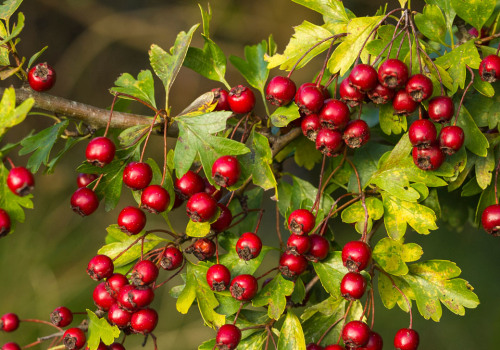
Hawthorn, scientifically known as Crataegus, is a small tree or shrub that has been revered for centuries in traditional medicine. Its berries, leaves, and flowers have been utilized for their potential health benefits, particularly in relation to heart health. Historically, hawthorn has been used in various cultures to treat a range of ailments, from digestive issues to cardiovascular conditions. The rich history of this plant underscores its significance in herbal medicine and highlights the need for a deeper understanding of its effects on modern health practices. The hawthorn berry benefits are particularly noteworthy.
These small, red fruits are packed with antioxidants, which are compounds that help combat oxidative stress in the body. This oxidative stress is linked to numerous chronic diseases, including heart disease. By incorporating hawthorn into one’s diet or supplement regimen, individuals may experience improved circulation, reduced blood pressure, and enhanced overall heart function. Additionally, hawthorn is believed to support the body’s ability to manage anxiety and stress, further contributing to its reputation as a holistic remedy. As we delve into the potential interactions between hawthorn and blood pressure medications, it is essential to recognize the dual nature of this herb.
While it offers numerous hawthorn health benefits , it also poses certain risks when combined with pharmaceutical treatments. Understanding what hawthorn is and how it works within the body can help individuals make informed decisions about their health. This exploration will not only clarify the advantages of hawthorn but also emphasize the importance of consulting healthcare professionals before integrating this powerful herb into any treatment plan.
What is Hawthorn?
The hawthorn plant, belonging to the genus Crataegus, is a member of the rose family (Rosaceae) and is renowned for its medicinal properties. This deciduous shrub or small tree is native to Europe, North America, and parts of Asia, thriving in a variety of environments, from woodlands to hedgerows.Hawthorn is characterized by its thorny branches, lobed leaves, and clusters of small white or pink flowers that bloom in late spring. These flowers give way to bright red or black berries, commonly referred to as hawthorn berries, which are harvested in the fall. There are several species of hawthorn, with Crataegus monogyna and Crataegus laevigata being among the most widely used in traditional herbal medicine. The berries of these species are particularly valued for their health benefits, which have been recognized for centuries.
Traditional Uses of Hawthorn
Hawthorn has a rich history in herbal medicine, often utilized for its cardiovascular benefits. Traditionally, it has been used to:- Support heart health: Hawthorn is believed to improve blood circulation and strengthen heart function.
It may help alleviate symptoms of heart failure and angina.
- Reduce anxiety: The calming effects of hawthorn may assist in reducing anxiety and promoting relaxation.
- Manage blood pressure: Some studies suggest that hawthorn can help lower blood pressure by dilating blood vessels.
- Treat digestive issues: Hawthorn has also been used to address digestive problems such as indigestion and bloating.
Health Benefits of Hawthorn Berries
Hawthorn berries, derived from the Crataegus plant, have been celebrated for their numerous health benefits, particularly in the realm of cardiovascular health. These small, red fruits are rich in antioxidants, which play a crucial role in protecting the body from oxidative stress and inflammation.This section will explore the various health benefits attributed to hawthorn berries, emphasizing their significance for heart health, anxiety relief, and digestive support.
Cardiovascular Support
One of the most well-documented hawthorn berry benefits is their positive impact on heart health. Hawthorn has been traditionally used to treat various heart-related conditions, including:- Heart Failure: Studies suggest that hawthorn may improve symptoms of heart failure by enhancing cardiac function and increasing blood flow to the heart.
- High Blood Pressure: Hawthorn berries can help lower blood pressure by dilating blood vessels and improving circulation, making them a potential natural remedy for those managing hypertension.
- Irregular Heartbeats: The berries may also assist in stabilizing heart rhythms, providing relief for individuals experiencing arrhythmias.
Antioxidant Properties
The antioxidant properties of hawthorn berries are another significant aspect of their health benefits. Antioxidants help neutralize free radicals in the body, which can lead to cellular damage and contribute to chronic diseases. By incorporating hawthorn into your diet, you may:- Reduce the risk of chronic diseases such as heart disease and diabetes.
- Support overall immune function by combating oxidative stress.
- Promote healthy aging by protecting skin cells from damage caused by environmental factors.
Anxiety and Digestive Health
Apart from cardiovascular benefits, hawthorn berries may also have a calming effect on the nervous system.Some studies indicate that hawthorn can help alleviate symptoms of anxiety and stress, making it a valuable addition to a holistic approach to mental well-being. Furthermore, hawthorn is known to aid digestion by:
- Stimulating digestive enzymes that enhance nutrient absorption.
- Relieving symptoms of indigestion and bloating.
Understanding Blood Pressure Medications
Managing hypertension, or high blood pressure, is crucial for maintaining overall health and preventing serious complications such as heart disease and stroke.Blood pressure medications play a vital role in this management, and understanding the different types available can help patients make informed decisions about their treatment options. There are several classes of blood pressure medications, each working through different mechanisms to lower blood pressure:
- Diuretics: Often referred to as "water pills," diuretics help the body eliminate excess sodium and water, reducing blood volume and consequently lowering blood pressure. Common examples include hydrochlorothiazide and furosemide.
- ACE Inhibitors: Angiotensin-converting enzyme (ACE) inhibitors work by blocking the formation of angiotensin II, a hormone that narrows blood vessels. By preventing this hormone's production, these medications help relax blood vessels. Examples include lisinopril and enalapril.
- ARBs: Angiotensin II receptor blockers (ARBs) also target the effects of angiotensin II but do so by blocking its receptors.
This class includes medications like losartan and valsartan.
- Beta-Blockers: These medications reduce heart rate and the force of heart contractions, leading to lower blood pressure. They are often prescribed for patients with heart conditions as well. Common beta-blockers include metoprolol and atenolol.
- Calcium Channel Blockers: By preventing calcium from entering the cells of the heart and blood vessel walls, these drugs help relax and widen blood vessels. Amlodipine and diltiazem are examples of this class.
Some patients may require a combination of these medications to achieve optimal blood pressure control. Understanding how these medications work is essential for patients. For instance, while diuretics reduce fluid levels in the body, ACE inhibitors and ARBs focus on hormonal regulation to achieve similar results in lowering blood pressure. This knowledge empowers patients to engage in discussions with their healthcare providers about their treatment plans. In summary, blood pressure medications are diverse in their mechanisms and applications. By familiarizing themselves with these options, patients can better navigate their hypertension management journey.
Potential Interactions Between Hawthorn and Blood Pressure Medications
Understanding the potential interactions between hawthorn and blood pressure medications is crucial for anyone considering adding this herbal supplement to their health regimen.Hawthorn, known for its cardiovascular benefits, can influence blood pressure levels, which raises important questions about its compatibility with prescribed medications. Hawthorn is often used to support heart health, particularly in managing conditions like heart failure and hypertension. However, its ability to lower blood pressure can lead to significant interactions when taken alongside medications designed to achieve similar effects. Here are some key points to consider:
- Mechanism of Action: Hawthorn contains flavonoids and oligomeric proanthocyanidins that may enhance blood flow and improve heart function. This can amplify the effects of blood pressure medications, potentially leading to hypotension (abnormally low blood pressure).
- Types of Medications Affected: Common blood pressure medications such as beta-blockers (e.g., atenolol, metoprolol) and ACE inhibitors (e.g., lisinopril) may interact with hawthorn.
The combined effect could result in a more pronounced drop in blood pressure than intended.
- Symptoms of Interaction: Individuals taking both hawthorn and blood pressure medications should be vigilant for symptoms of low blood pressure, which may include dizziness, fainting, or fatigue. If these symptoms occur, it is essential to consult a healthcare provider.
- Consultation with Healthcare Providers: Before introducing hawthorn into your routine, especially if you are on blood pressure medication, it is vital to discuss this with your doctor. They can provide personalized advice based on your health history and current medications.
Research on Hawthorn and Blood Pressure Medication Interactions
Research into the interactions between hawthorn and blood pressure medications has garnered attention due to the potential implications for patient safety and treatment efficacy.Several studies have been conducted to explore how hawthorn may affect the pharmacodynamics of these medications. One notable study published in the Journal of Cardiovascular Pharmacology examined the effects of hawthorn extract on patients with mild to moderate heart failure who were also taking standard heart medications, including those for blood pressure management. The results indicated that hawthorn could enhance the efficacy of these medications without significant adverse effects. However, it was noted that careful monitoring was essential, as some participants experienced lower blood pressure levels. Another clinical trial focused on the interaction between hawthorn and specific antihypertensive drugs, such as beta-blockers. This study found that while hawthorn did not significantly alter the pharmacokinetics of these medications, it did exhibit a synergistic effect in lowering blood pressure.
Participants who combined hawthorn with their prescribed medication reported improved symptoms related to heart function, but some also experienced episodes of hypotension. Furthermore, a systematic review of multiple studies involving over 5,500 participants highlighted the overall safety profile of hawthorn when used at recommended doses. The review concluded that while hawthorn is generally safe, its use alongside blood pressure medications should be approached with caution. The authors emphasized the need for further research to establish clear guidelines regarding dosage and potential interactions. In summary, while existing research suggests that hawthorn berry benefits may complement blood pressure medications, it is crucial for individuals to consult healthcare professionals before combining these treatments. Ongoing studies are necessary to fully understand the implications of such combinations and to ensure patient safety.
Consulting Your Healthcare Provider: Best Practices
When considering the addition of hawthorn to your health regimen, especially if you are already taking medications for conditions like high blood pressure, it is crucial to consult your healthcare provider.This step is essential not only for your safety but also for maximizing the potential benefits of any new supplement.
Why Consult Your Healthcare Provider?
- Understanding Interactions: Your healthcare provider can help you understand how hawthorn may interact with your current medications. Given that hawthorn can lower blood pressure, it is vital to assess whether this could lead to hypotension or other complications.
- Personalized Advice: Each individual’s health situation is unique. A healthcare provider can offer tailored advice based on your medical history, current medications, and overall health status.
- Monitoring Health: If you decide to incorporate hawthorn into your regimen, your provider can monitor your health more closely to ensure that the combination is safe and effective.
How to Approach the Conversation
- Be Prepared: Before your appointment, make a list of all medications and supplements you are currently taking. This includes over-the-counter drugs and herbal supplements.
- Ask Specific Questions: Inquire about the safety of combining hawthorn with your medications.
Questions like "Can hawthorn affect my blood pressure medication?" or "What side effects should I watch for?" can guide the discussion.
- Discuss Your Goals: Share why you are interested in taking hawthorn. Whether it’s for heart health or another reason, understanding your goals can help your provider give more relevant advice.
- Follow Up: After starting hawthorn, schedule a follow-up appointment to discuss any changes in your health or medication effectiveness. This ongoing dialogue is key to ensuring safe use.
FAQs About Hawthorn and Blood Pressure Medications
When considering the use of hawthorn alongside blood pressure medications, many individuals have questions regarding safety, efficacy, and potential interactions. Below are some frequently asked questions that can help clarify these concerns.1.What is hawthorn, and how does it affect blood pressure?
Hawthorn is a plant known for its berries, leaves, and flowers, which have been used in traditional medicine for centuries.It is often touted for its potential benefits in supporting heart health and improving circulation. Hawthorn may help lower blood pressure by dilating blood vessels and improving blood flow, which can be beneficial for those with hypertension. However, this effect can also lead to complications when combined with prescription blood pressure medications.
2.Is it safe to take hawthorn with blood pressure medications?
The safety of combining hawthorn with blood pressure medications is not entirely straightforward. While some studies suggest that hawthorn can be safe when taken at recommended doses, it is crucial to consult with a healthcare provider before starting any new supplement.This is especially important if you are already on medications such as atenolol, metoprolol, or other antihypertensives, as the combination may lead to excessively low blood pressure.
3.What are the potential side effects of taking hawthorn?
While hawthorn is generally considered safe for most people, it can cause side effects in some cases. Common side effects may include:- Dizziness
- Nausea
- Stomach upset
- Fatigue
4.Can hawthorn enhance the effects of blood pressure medications?
Yes, hawthorn can potentially enhance the effects of certain blood pressure medications, leading to a more significant drop in blood pressure than intended. This interaction can increase the risk of hypotension (low blood pressure), which may result in symptoms like lightheadedness or fainting.5.How should I approach using hawthorn if I am on medication?
If you are considering adding hawthorn to your regimen while taking blood pressure medications, it is vital to:- Consult your doctor: Always discuss with your healthcare provider before introducing any new supplement.
- Monitor your blood pressure: Keep track of your readings regularly to ensure they remain within a safe range.
- Start with low doses: If approved by your doctor, begin with a lower dose of hawthorn to assess how your body reacts.
Conclusion: Weighing the Benefits and Risks of Hawthorn Use
In summary, the use of hawthorn berries presents a fascinating intersection of traditional herbal medicine and modern pharmacology. As we have explored, hawthorn has been utilized for centuries due to its potential health benefits, particularly in relation to heart health.Its antioxidant properties and ability to improve circulation make it a popular choice among those seeking natural remedies for cardiovascular issues. However, while the benefits of hawthorn are noteworthy, it is crucial to consider the potential risks associated with its use, especially for individuals who are already on blood pressure medications. The primary concern lies in hawthorn's ability to lower blood pressure, which can lead to hypotension when combined with prescription medications designed for the same purpose. This interaction can result in symptoms such as dizziness, fainting, or even more severe complications. Before incorporating hawthorn into your health regimen, it is essential to weigh these benefits against the risks:
- Consultation with Healthcare Providers: Always discuss with your doctor or healthcare provider before starting any new supplement, particularly if you are taking medications for high blood pressure or other cardiovascular conditions.
- Monitoring Blood Pressure: If you choose to use hawthorn, regular monitoring of your blood pressure is advisable to ensure it remains within a safe range.
- Understanding Individual Health Needs: Each person's health situation is unique. What works for one individual may not be suitable for another, making personalized medical advice invaluable.
By approaching hawthorn with caution and respect for its potential interactions with medications, individuals can better navigate their health choices and optimize their well-being.